

Sweet Mandarin Soy Dipping Sauce

Sweet Mandarin Soy Dipping Sauce
Mandarin oranges add a sweet, citrusy flavor to soy dipping sauce, which goes well with vegetable pancakes, like our Chinese Bok Choy Pancakes.
Happy & Healthy Cooking,
Fun-Da-Mentals Kitchen Skills
- measure :
to calculate the specific amount of an ingredient required using a measuring tool (like measuring cups or spoons).
- whisk :
to beat or stir ingredients vigorously with a fork or whisk to mix, blend, or incorporate air.
- zest :
to scrape off the outer colored part of a citrus fruit's rind (skin or peel) using a metal tool with small sharp blades, such as a zester, microplane, or the small holes of a grater (avoid the "pith," the white, spongy lining of the rind that can be bitter).
Equipment Checklist
- Small bowl
- Zester (or grater with small zesting plate/side)
- Citrus squeezer (optional)
- Measuring spoons
- Whisk
Ingredients
Sweet Mandarin Soy Dipping Sauce
- 3 T soy sauce **(for GLUTEN/SOY ALLERGY sub 3 T coconut aminos)**
- 1 T rice vinegar
- 1 tsp granulated sugar, brown sugar, agave syrup, coconut sugar
- 1 mandarin orange, zested and juiced
- 1 1/2 tsp vegetable oil **
- 1 tsp ginger ale, optional
Food Allergen Substitutions
Sweet Mandarin Soy Dipping Sauce
- Soy: For 3 T soy sauce, substitute 3 T coconut aminos. Substitute canola oil or other nut-free oil for vegetable oil.
Instructions
Sweet Mandarin Soy Dipping Sauce
wash + zest
Have your kids wash 1 mandarin orange and then zest it, avoiding the bitter white pith.
measure + whisk
Next, into a small bowl, kids can measure and add 3 tablespoons soy sauce, 1 tablespoon rice vinegar, 1 teaspoon sugar, 1 1/2 teaspoons vegetable oil, 1 small squeeze of mandarin orange juice, 1/4 teaspoon mandarin orange zest, and optional 1 teaspoon ginger ale. Whisk to combine and enjoy with savory pancakes, like our Chinese Bok Choy Pancakes!

Hi! I'm a Mandarin Orange!
"I'm a popular fruit snack for children and adults! I'm smaller and generally sweeter than a navel orange. It is super easy to peel me and pop an orange section into your mouth!"
History & Etymology
- A mandarin orange (or mandarin) is a type of citrus fruit. The wild mandarin originated in South China and Southeast Asia. Sweeter domesticated mandarins have been cultivated for at least 4,000 years.
- China produces the most mandarins worldwide. In the United States, California grows the most mandarins commercially, followed by Florida.
- Citrus fruits related to mandarin oranges are clementines, tangerines, and satsumas. Clementines are hybrids of mandarins and sweet oranges (which are hybrids of mandarins and pomelos). Tangerines and satsumas are considered types of mandarin oranges or separate but related species. They appear to be hybrids of mandarins and pomelos, with both having more mandarin influence than pomelo.
- The name "mandarin" comes from the late 18th-century French "mandarine." Its use for the citrus fruit may be related to the color of the robes worn by Chinese officials, who were called "mandarins" by Europeans in the 16th century.
Anatomy
- The mandarin orange species (Citrus reticulata) is from the Rutaceae or citrus family. The wild mandarin is one of the original ancestral citrus classifications (taxa).
- The mandarin orange tree is an evergreen and grows from 10 to 25 feet tall. Its tree trunk and major branches have thorns. Its leaves are 2 to 4 inches long, green, glossy, and oval-shaped, with pointed tips at each end, resembling a lance head. Its fruit is small and rounded, about 1 1/2 to 3 inches in diameter.
- A mandarin's thin skin may be orange, yellow-orange, or red-orange and is easy to peel. The whitish, spongy inner layer of the rind is referred to as the pith (technically the mesocarp). The inside flesh is made up of juicy, orange segments.
How to Pick, Buy & Use
- Mandarin oranges that are ready to eat are slightly firm and heavy for their size, which indicates juiciness. The skin should be shiny, smooth, and somewhat loose with tiny dimpling. They should be bright orange without any green.
- Storing mandarins in the refrigerator helps them to last longer. If they are eaten within a few days, you can store them at room temperature.
- Mandarin oranges are a great snack for kids because they are small, easy to peel, and usually seedless.
- Fresh or canned mandarin oranges are often added to salads, including fruit salads like ambrosia, as well as green salads with nuts and a vinaigrette dressing. They are also added to desserts, like cakes and parfaits. Their juice is added to salad dressings, glazes, marinades, and beverages.
Nutrition
- Mandarin oranges contain 85 percent water. They are a rich source of vitamin C, providing nearly 30 percent of the daily value, and a good source of vitamin A. They also have a moderate amount of potassium and calcium.
- Mandarins contain beta-carotene and beta-cryptoxanthin, which are plant pigments and antioxidants that may help reduce the risk of developing certain types of cancer. These two pigments are converted into vitamin A in the body, which is essential for a healthy immune system and good vision.
- Vitamin C is also essential for the immune system and beneficial for maintaining healthy skin and promoting wound healing. Calcium helps maintain bone health, and potassium plays a crucial role in cell function and heart health.
History of Soy Sauce!

- Soy sauce is a condiment originating in Ancient China 2,200 years ago during the Western Han dynasty (202 BCE - 9 CE).
- Soy sauce is made from fermented soybeans, roasted wheat grain, and salt or salt brine. It has a salty, umami, sweet, and slightly bitter taste.
- Low-sodium soy sauce is available for those following a low-salt diet. Alternatives to soy sauce include liquid aminos (gluten free), coconut aminos (soy and gluten free), and tamari (generally gluten free).
- Soy sauce is used on rice, in stir-fries, marinades, glazes, dipping sauces, and teriyaki sauce. It can be included in soups, stews, and other dishes to add salt and umami flavors.
Let's Learn About China!
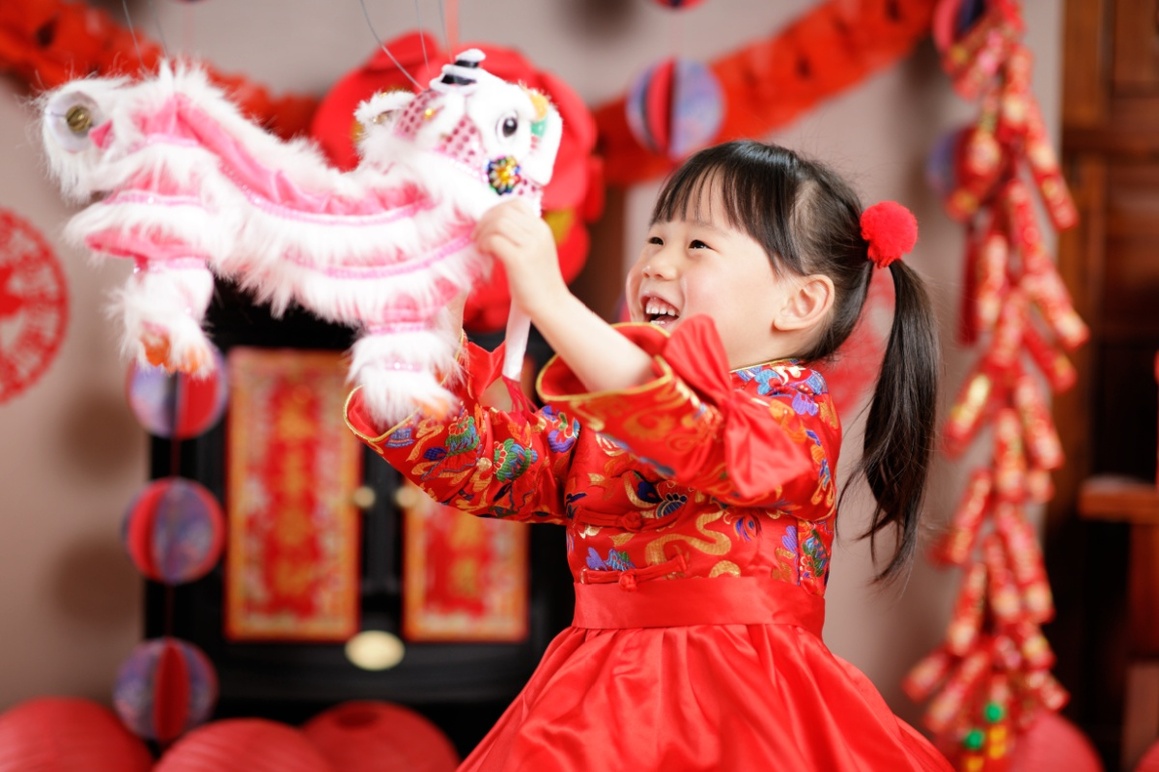
- China's official name is The People's Republic of China. It became a republic in 1912; however, the first Chinese dynasty appeared around 2100 BCE. China is one of the largest countries in the world, and it has the most people!
- The official language of China is Mandarin. However, various dialects are spoken in different regions of the country. For example, in Shanghai, they speak Shanghainese.
- China is around the same size as the continental United States but only has one official time zone. The continental US has four.
- China's capital city is Beijing, while the most populated city is Shanghai.
- The Great Wall in China is the largest man-made construction on Earth, stretching an incredible 5,500 miles. Its builders used mortar that included sticky rice to bind the Great Wall's stones!
- China's land is diverse, with high mountains, low coastal lands, deserts, and damp tropical areas. Just like the United States!
- The Chinese are known for their papermaking, porcelain, and silk cloth. In addition to paper, they also invented the compass during the Han dynasty (202 BCE to 220 CE), woodblock printing in the Tang dynasty (by 7th century), gunpowder in the Tang dynasty (9th century), and movable type made of porcelain (for printing) between 1039 and 1048 CE, during the Song dynasty.
- Chinese cuisine varies by region. Climate, local agriculture, ethnic and class backgrounds, and outside influences all contribute to China's food diversity. There are eight major regional Chinese cuisines: Anhui, Cantonese, Fujian, Hunan, Jiangsu, Shandong, Szechuan, and Zhejiang.
- Wheat is farmed in northern China, so noodles and other foods made from wheat are consumed more in the North. On the other hand, rice is cultivated in southern China; therefore, rice is a staple in the South.
- Tea has long been part of Chinese culture across all parts of society. China was the first country to grow and drink tea and, today, it exports the most green tea worldwide.
What's It Like to Be a Kid in China?
- School success is greatly emphasized in China. Chinese kids go to school five days a week (six days before 1995), and their school day runs from 7:30 or 8 am until 4 or 5 pm. After school, they might do homework for three hours.
- In primary school, kids learn the Chinese language, which is made up of about 7,000 characters, not letters. The characters represent words. By the time they finish primary school, they will have learned about 4,000 characters. They will also learn a foreign language, especially English.
- Kids may not have aunts, uncles, or cousins because, at one time, the Chinese government allowed couples to have just one child due to the high population. That later changed to two, and in May 2021, the policy changed again to allow three kids, so now a child may have a sibling or two.
- Some of the holidays that kids celebrate with their families are Chinese New Year, the Dragon Boat Festival, and National Day. National Day is celebrated with fireworks and parades to commemorate the formal proclamation of the People's Republic of China on October 1, 1949.
- Kids enjoy playing ping pong, basketball, volleyball, and badminton. They also play video games and ride their bikes.
- Rice and noodles are staples, and kids may eat these at every meal. They'll eat their food using chopsticks, not forks!


That's Berry Funny
Why did the orange stop at the top of the hill?
Because it ran out of juice!
THYME for a Laugh
Why do oranges wear suntan lotion?
Because they peel.
The Yolk's On You
My cell phone got wet, so I put it in rice, but I don't think it's working.
The soy sauce just made things worse!